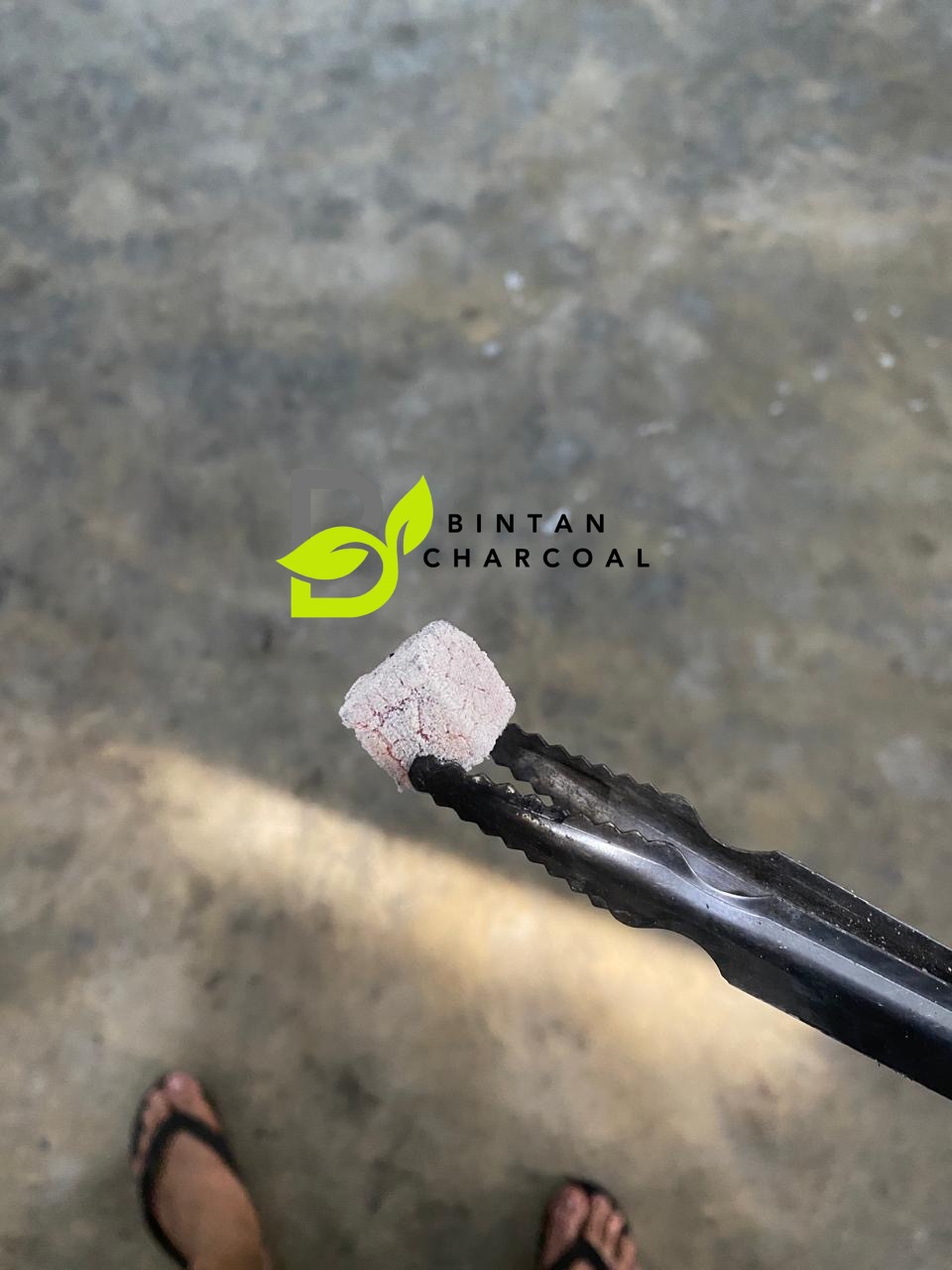
When it comes to premium shisha experiences, ash content in coconut charcoal plays a far more important role than many people realize. For shisha lounges, distributors, and exporters, low ash content is a key quality indicator that directly affects heat performance, flavor purity, and customer satisfaction.
This article explains why ash content matters, what ideal ash levels look like, and how professional coconut charcoal producers ensure consistent quality for shisha use.
What Is Ash Content in Coconut Charcoal?
Ash content refers to the non-combustible residue left after charcoal is fully burned. In coconut charcoal for shisha, ash is typically composed of natural minerals found in coconut shells.
Ash content is measured as a percentage of total weight, and even small differences can significantly impact performance during shisha sessions.
Why Low Ash Content Is Critical for Shisha
1. Cleaner Heat and Better Flavor
High ash content creates excess residue that:
- Blocks airflow in the bowl
- Interferes with heat distribution
- Alters the natural flavor of shisha tobacco
Low-ash coconut charcoal burns cleaner, allowing the true flavor of the shisha to remain pure and consistent throughout the session.
2. Longer and More Stable Burning Time
Coconut charcoal with low ash content:
- Burns evenly
- Produces consistent heat
- Lasts longer without frequent replacement
This is especially important for commercial shisha lounges, where stability and efficiency directly impact operating costs.
3. Less Maintenance for Shisha Lounges
Excess ash means:
- More frequent cleaning
- Increased charcoal handling
- Messier shisha setups
Low-ash charcoal reduces cleanup time and improves the overall customer experience, making it a preferred choice for high-end shisha establishments.
Ideal Ash Content for Shisha Coconut Charcoal
For premium shisha use, the generally accepted ash content range is:
- Below 2.5% – Premium grade
- 2.5%–3% – Acceptable commercial grade
- Above 3% – Lower quality, not recommended
Top coconut charcoal factories consistently achieve ash content below 2.2%, positioning their products as export-grade shisha charcoal.
How Ash Content Is Controlled in Coconut Charcoal Production
Raw Material Selection
High-quality coconut shells with low impurity levels naturally produce less ash when carbonized.
Controlled Carbonization Process
Precise temperature control during carbonization ensures:
- Complete breakdown of organic compounds
- Minimal mineral residue
- Uniform charcoal structure
Poorly controlled carbonization is one of the main causes of high ash content.
Advanced Screening and Briquette Forming
Professional factories remove fine particles and contaminants before briquette molding, which helps:
- Reduce ash buildup
- Improve density
- Ensure consistent burn quality
Why Buyers Should Always Ask for Ash Content Specifications
Serious shisha charcoal buyers should always request:
- Laboratory test results
- Ash content percentage
- Production consistency data
Suppliers who cannot provide these details may deliver inconsistent or low-quality products.
Ash Content as a Competitive Advantage for Exporters
Low ash content is more than just a technical detail—it is a powerful marketing point.
Exporters who clearly communicate:
- Low ash percentages
- Stable production standards
- Quality control processes
build trust with distributors and gain long-term business relationships in competitive shisha markets.
Final Thoughts
Ash content is one of the most critical quality factors in coconut charcoal for shisha. Low ash means:
- Cleaner sessions
- Better flavor
- Longer burn time
- Happier customers
For shisha lounges and distributors seeking premium performance, low-ash coconut charcoal is not optional—it is essential.