Introduction: More Than Just Smoke
In the global hookah and shisha market, charcoal quality plays a critical role in customer satisfaction, brand reputation, and repeat business. While many buyers focus on burn time, heat output, and odor, ash color is often overlooked—despite being one of the clearest indicators of premium charcoal performance.
For charcoal and briquette factories in Indonesia, understanding the science and perception behind ash color can create a major competitive advantage in export markets such as the Middle East, Europe, and the United States.
This article explores why ash color matters, how it reflects charcoal quality, and what Indonesian shisha charcoal manufacturers can do to consistently produce superior products.
What Is Ash Color in Shisha Charcoal?
Ash is the mineral residue left behind after charcoal combustion. Its color, texture, and quantity reveal important details about:
- Raw material purity
- Carbonization process
- Mineral and impurity content
- Overall production quality
In the hookah industry, ash color is not just a technical detail—it directly affects user experience.
Ideal Ash Color for Hookah and Shisha Charcoal
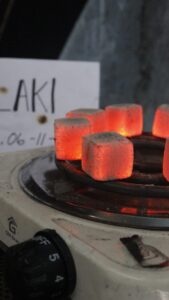
White or Light Gray Ash: The Gold Standard
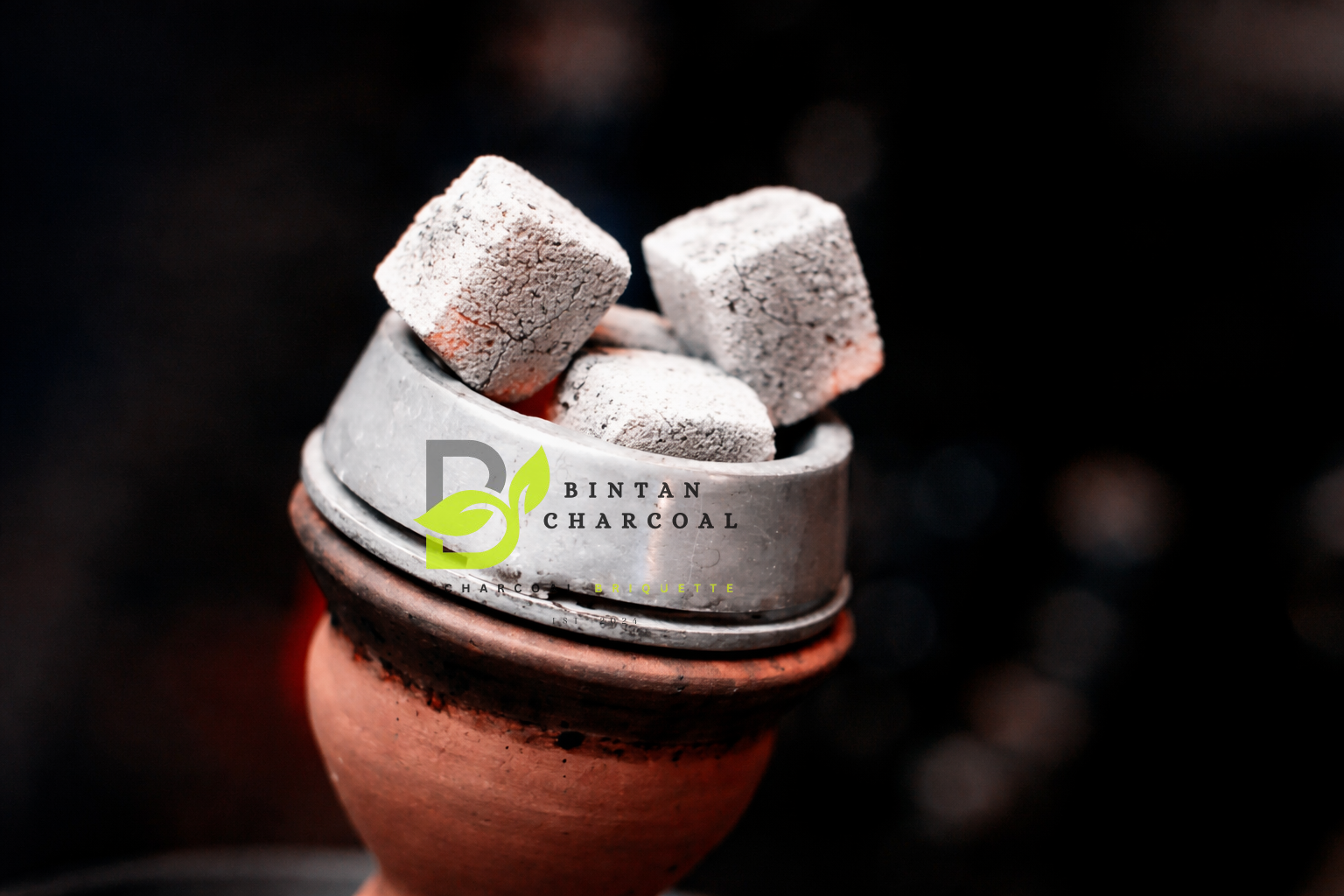
High-quality coconut shell charcoal typically produces white to light gray ash, which signals:
- High fixed carbon content
- Low impurities (sand, soil, fillers)
- Proper carbonization temperature
- Clean, efficient combustion
For shisha smokers, white ash means:
- Stable heat
- No harsh taste
- Minimal interference with airflow
- Cleaner hookah sessions
This is why premium brands consistently advertise “low ash” or “white ash” charcoal in their marketing.
Dark Gray or Black Ash: A Red Flag
Dark ash often indicates problems such as:
- Incomplete carbonization
- Excess moisture in raw materials
- Contamination with dirt or foreign matter
- Use of binders or low-grade additives
For end users, this can result in:
- Bitter or chemical taste
- Uneven heat
- Faster coal breakdown
- Dirty hookah bowls and trays
For exporters, dark ash can mean customer complaints, rejected shipments, and loss of trust.
Why Ash Color Is Critical for Charcoal Factories in Indonesia
Indonesia is one of the world’s leading producers of coconut shell charcoal and briquettes, supplying shisha markets worldwide. Buyers increasingly demand consistent quality, and ash color has become a quick visual benchmark for importers and distributors.
Competitive Export Markets Demand Consistency
International buyers often inspect:
- Ash color after burning
- Amount of ash produced
- Residue texture (powdery vs flaky)
Factories that control ash quality gain:
- Higher pricing power
- Long-term contracts
- Strong brand positioning as “premium Indonesian charcoal”
Key Factors That Affect Ash Color in Briquette Production
1. Raw Material Selection
Coconut shell quality directly impacts ash color.
Best practices:
- Use mature, clean coconut shells
- Avoid shells mixed with husk, sand, or soil
- Ensure proper drying before carbonization
High-purity raw materials = lighter ash.
2. Carbonization Temperature and Time
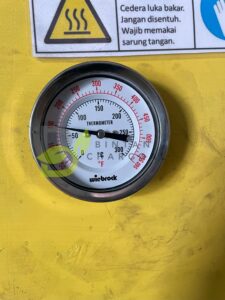
Under-carbonized charcoal retains volatile compounds, leading to darker ash.
Optimal carbonization:
- High, stable temperatures
- Sufficient burn duration
- Uniform heat distribution
Advanced kilns and strict process control are essential for producing export-grade shisha charcoal.
3. Grinding and Briquette Formulation
Poor grinding or contaminated binders can introduce impurities.
To maintain clean ash:
- Use food-grade or natural binders
- Avoid excessive binder ratios
- Filter fine dust and foreign particles
Premium briquette factories focus on minimal additives to preserve carbon purity.
4. Moisture Control and Storage
Even well-made charcoal can develop poor ash color if moisture is introduced after production.
Best practices:
- Drying briquettes to optimal moisture levels
- Using moisture-resistant packaging
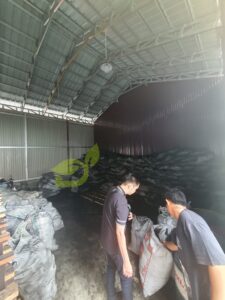
- Storing in controlled environments
This is especially important in Indonesia’s humid climate.
How Ash Color Impacts the Shisha Smoking Experience
For end users, ash quality directly affects:
Heat Management
White ash indicates stable, even heat—essential for long hookah sessions.
Flavor Purity
Clean ash prevents unwanted flavors, allowing shisha tobacco or molasses to shine.
Cleanliness
Less ash means less mess on trays and bowls, improving overall presentation.
These factors are why hookah lounges and distributors prefer Indonesian coconut charcoal with clean ash characteristics.
Marketing Advantage: Using Ash Color as a Selling Point
Smart charcoal manufacturers highlight ash quality in their branding:
- “Low Ash Shisha Charcoal”
- “Clean White Ash Coconut Briquettes”
- “Premium Indonesian Hookah Charcoal”
Including ash performance in product specifications builds buyer confidence and differentiates your factory from low-cost competitors.
Quality Control Tips for Indonesian Briquette Factories
To consistently achieve premium ash color:
- Implement batch burn testing
- Record ash color and residue volume
- Train staff on contamination prevention
- Invest in better kilns and sieving systems
- Collect feedback from export clients
Ash quality should be treated as a core KPI, not an afterthought.
The Future of Shisha Charcoal Quality Standards
As the global hookah market matures, buyers are becoming more educated. Visual indicators like ash color are increasingly used alongside lab tests and certifications.
Factories that focus now on:
- Clean production
- Process consistency
- Transparent quality standards
will be best positioned to dominate premium markets.
Conclusion: Small Detail, Big Impact
Ash color may seem like a minor detail, but in the world of shisha charcoal and briquette manufacturing, it speaks volumes.
For charcoal factories in Indonesia, producing briquettes with clean, white ash is not just about aesthetics—it’s about performance, trust, and global competitiveness.
By controlling raw materials, carbonization, and handling processes, manufacturers can elevate their products and strengthen Indonesia’s reputation as a world leader in premium hookah charcoal.