As the global demand for coconut charcoal briquettes continues to rise, compliance with international shipping regulations has become non-negotiable. One of the most important rules every coconut charcoal factory must understand is UN 1361.
Whether you are a manufacturer, exporter, or international buyer, knowing what UN 1361 means can help prevent shipment delays, cargo rejection, and costly penalties.
This guide explains UN 1361 in simple terms, why it applies to coconut charcoal, and how compliant factories gain a major competitive advantage.
What Is UN 1361?
UN 1361 is a hazardous goods classification under international transport regulations issued in coordination with the United Nations.
It refers to:
Carbon, animal or vegetable origin
This classification includes coconut shell charcoal, bamboo charcoal, and other plant-based carbon materials that can pose a fire risk if not properly handled during transportation.
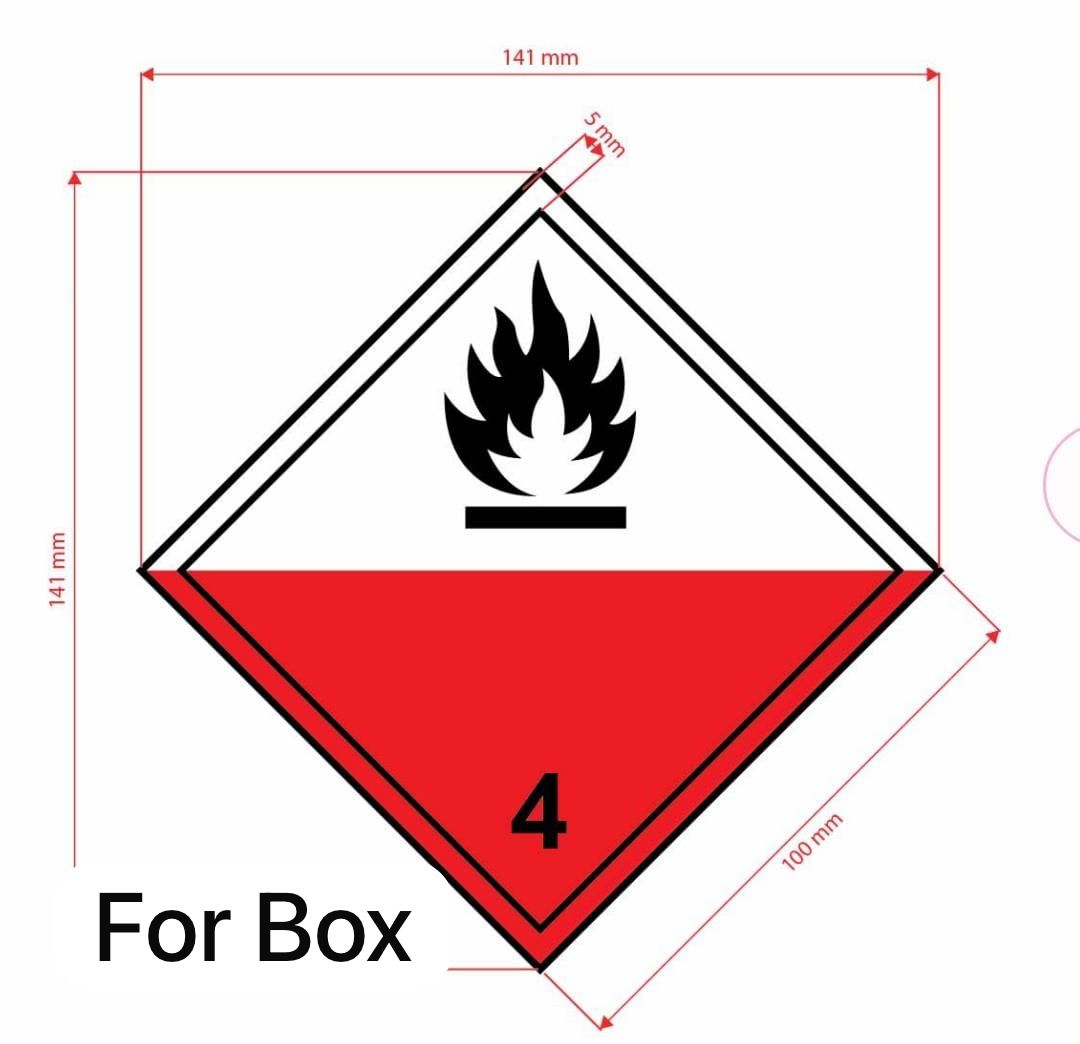
Because coconut charcoal is a carbonized product, it falls under Class 4.2 – Substances Liable to Spontaneous Combustion.
Why Coconut Charcoal Is Classified Under UN 1361
Many people assume charcoal is harmless once cooled, but during international shipping, coconut charcoal can still present risks due to:
- Residual heat from carbonization
- Moisture content interacting with oxygen
- Fine carbon particles that retain heat
If improperly packed or shipped too soon after production, charcoal can self-heat and ignite inside containers.
UN 1361 exists to ensure that coconut charcoal is:
- Fully carbonized
- Properly cooled
- Safely packed and labeled
What UN 1361 Means for a Coconut Charcoal Factory
For coconut charcoal factories, UN 1361 compliance is not optional—it directly affects export eligibility.
1. Mandatory Cooling and Aging Process
Factories must allow charcoal to cool and stabilize before packing. Many compliant factories apply:
- 48–72 hours minimum cooling time
- Moisture control below export thresholds
- Temperature checks before container loading
Skipping this step is one of the biggest causes of shipment rejection.
2. Proper Packaging Requirements
UN 1361 requires charcoal to be packed in a way that minimizes oxygen exposure and movement.
Common compliant packaging includes:
- Inner PE plastic lining
- Carton boxes or jumbo bags
- Moisture-resistant pallets
High-quality factories also test packaging for long-distance sea freight conditions.
3. Correct Labeling and Documentation
Export shipments must clearly state:
- UN Number: UN 1361
- Proper shipping name
- Hazard class (4.2)
- Net weight and packaging type
Incorrect or missing labels can lead to:
- Port delays
- Cargo inspection holds
- Forced repacking or shipment cancellation
UN 1361 and Sea Freight vs Air Freight
Sea Freight
Most coconut charcoal exports move by sea. UN 1361 compliance is strictly enforced by:
- Shipping lines
- Port authorities
- Insurance providers
Non-compliant cargo may be refused before loading.
Air Freight
Airlines usually do not accept UN 1361 cargo unless special approvals are granted. This is why coconut charcoal is almost exclusively shipped by sea.
Why UN 1361 Compliance Matters to Buyers
From a buyer’s perspective, working with a UN 1361-compliant coconut charcoal factory means:
- Lower risk of shipment delays
- Fewer customs issues
- Stable delivery schedules
- Reduced insurance problems
Serious importers often reject suppliers who cannot demonstrate UN 1361 compliance.
How Reliable Coconut Charcoal Factories Handle UN 1361
Top-tier coconut charcoal factories integrate UN 1361 into their standard operating procedures by:
- Scheduling production based on cooling timelines
- Training staff on dangerous goods handling
- Working with experienced freight forwarders
- Providing MSDS (Material Safety Data Sheet)
This level of professionalism signals export readiness and long-term reliability.
UN 1361 as a Competitive Advantage
Rather than seeing UN 1361 as a burden, smart coconut charcoal factories use compliance as a sales advantage.
Factories that clearly communicate:
- UN 1361 classification
- Packing method
- Cooling process
- Export experience
are more trusted by international buyers and more likely to secure repeat contracts.
Final Thoughts
Understanding UN 1361 is essential for any coconut charcoal factory involved in international trade. It protects:
- The factory
- The shipping company
- The buyer
- The cargo itself
In today’s export market, compliance equals credibility. Coconut charcoal factories that follow UN 1361 standards position themselves as reliable, professional, and globally competitive suppliers.